Digital Printing Services Uncovered: Design, Print & Finishing Possibilities
Digital printing offerings include a variety of options designed to meet different organizational demands. Such solutions feature creative, printing, and completion services, enabling premium results customized for targeted audiences. As technology continues to evolve, companies can produce striking imagery and distinctive displays. The selection of production approaches and completion processes can significantly influence the end result. Recognizing these aspects allows organizations to reach educated conclusions. Which criteria are most important when choosing a printing partner?
What Is Digital Printing and How Does It Function?
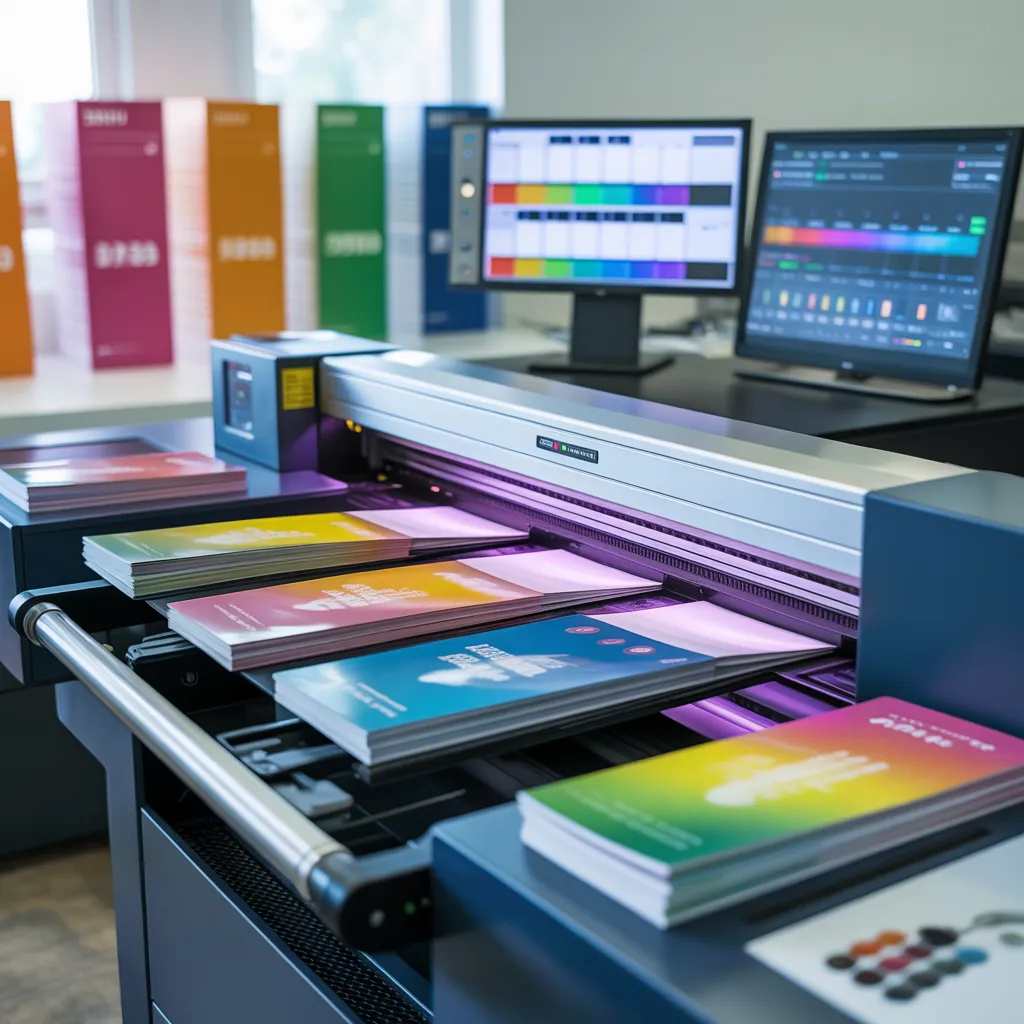
Digital printing represents a revolutionary approach to producing high-quality images directly from digital files. Unlike traditional printing methods, which rely on physical plates, digital printing leverages digital technology to reproduce images across multiple substrates. The process starts with a digital file, which is sent directly to the printer, doing away with the requirement for time-intensive setup and calibrations.
The main methods used in the digital printing industry include inkjet and laser printing. Inkjet printers spray tiny droplets of ink onto the material, while laser printers use toner and heat to fuse images. Both techniques deliver crisp, vivid output, making them suitable for a wide range of applications, from marketing materials to textiles.
Digital printing is recognized for its capacity to manage short runs and personalizations effectively, allowing for quick turnaround times. Because of this, it has become an essential tool for businesses looking for flexibility and excellence in their printing requirements.
Key Advantages of Digital Printing for Your Business
Businesses increasingly recognize the key benefits of embracing digital printing methods. One key benefit is economic efficiency, particularly for small and medium print volumes. Unlike traditional methods that often require extensive setup, digital printing reduces material waste and enables cost-effective creation of custom printed materials.
Additionally, digital printing offers quick turnaround times, permitting businesses to meet strict deadlines without sacrificing quality. The option to conveniently update designs without accumulating substantial costs is yet another benefit, enabling flexibility across marketing materials and promotional items.
Furthermore, digital printing handles a broad variety of substrates and surface treatments, granting businesses expanded creative options. The system also promotes personalization, making possible tailored content that appeal to specific demographics. In summary, these features make digital printing an attractive solution for businesses requiring flexibility, effectiveness, and quality in their printing demands.
Uncovering Design Options for Your Digital Prints
In what ways can thoughtful design maximize the potential of digital prints? Well-considered design choices play a critical role in boosting the visual appeal and functionality of digital prints. Utilizing high-resolution images and engaging typography can create a striking first impression. Color schemes must be thoughtfully chosen to elicit the intended emotional response while maintaining compatibility with the printing process.
Moreover, utilizing whitespace can elevate readability and impact, directing the reader's eye to critical aspects. Unique shapes and distinctive compositions can also improve a design, helping it stand out in a busy marketplace. Also, factoring in the intended use of the print—whether for packaging, personal projects, or marketing materials—can guide design choices to fully satisfy intended outcomes. In the end, a well-thought-out composition not only attracts attention but also expresses the primary message efficiently, amplifying the overall impact of digital print projects.
Digital Printing Methods: Inkjet vs. Laser
Selecting the correct printing method can greatly influence the ultimate result of a job. Laser and inkjet printing represent the two primary digital printing options, each with unique features. Inkjet printers employ liquid ink, enabling rich colors and detailed accuracy, making them ideal for high-quality images and artwork. They are exceptional at producing prints on numerous media formats, including photo paper and canvas, but can be not as quick than laser printers.
On the other hand, laser printers employ toner and heat to affix the print onto paper, which produces faster output speeds and crisper text, rendering them well-suited for documents and large-scale printing. While laser prints may not match the color depth of inkjet prints, they provide durability and smudge resistance. In the end, the decision between inkjet and laser printing depends on the particular needs of the project, including quality, speed, and the nature of materials used.
Impressive Enhancement Techniques to Give Your Prints Extra Impact
Taking prints to a greater level of visual appeal often involves incorporating creative finishing techniques. One well-known method is spot UV coating, which delivers a shiny finish to specific areas, creating contrast against dull surfaces. This approach focuses on key elements, boosting overall appearance. Another impressive option is embossing, delivering a physical dimension by lifting certain patterns or typography, allowing them to be more prominent.
Foil stamping is equally impressive, adding metallic or pigmented foil to prints for a luxurious touch. This approach proves especially powerful for logos and invitations. Moreover, die-cutting creates one-of-a-kind shapes that spark curiosity and help products stand out.
Ultimately, lamination delivers protection while intensifying color vibrancy, ensuring prints remain durable. All of these finishing methods have the ability to turn standard prints into visually striking materials, making them more appealing to potential customers. The strategic implementation of these approaches can considerably amplify the impact of digital prints.
Choosing the Right Digital Printing Service?
Identifying the right digital printing provider demands thorough evaluation of individual project demands. Evaluating the capabilities of various providers ensures that they can meet those criteria effectively. Moreover, comparing cost structures can help identify the greatest value without sacrificing excellence.
Evaluating Your Project Requirements
How does one determine the ideal print service for their unique project demands? Initially, it is important to define the scope of the project, including the materials needed, the intended finish, and the project's audience. Knowing the timeframe is equally important, as different providers may deliver results faster. Next, financial limitations should be evaluated, as expenses can fluctuate widely based on project size and intricacy. Moreover, it is advisable to assess the printing methods employed, as this can impact quality and color fidelity. Lastly, researching customer reviews and testimonials can provide insights into reliability and service quality, confirming the provider matches the project's needs and specifications.
Evaluating Service Capabilities
What elements should one examine more info when assessing the strengths of a digital printing service? To begin, the range of printing options available is critical; services should offer various formats, materials, and finishes to accommodate a wide range of project requirements. Furthermore, the quality of the printing equipment should be examined, as contemporary, top-tier printers can considerably impact the finished product. Moreover, turnaround times and flexibility in meeting deadlines are vital for timely project execution. The company's background and specialization in targeted industries can also affect its capacity to achieve expected outcomes. In conclusion, examining client testimonials and portfolio examples provides insight into reliability and customer satisfaction, ensuring that the preferred company matches the particular needs of the undertaking.
Evaluating Pricing Options
When assessing digital printing services, pricing options play a pivotal role in the selection process. Businesses must consider several considerations, including base pricing, bulk pricing incentives, and additional charges for specific requirements. It is important to obtain estimates from several vendors, as cost models can differ significantly. Some companies offer comprehensive bundles, while others may have hidden fees for layout revisions or accelerated fulfillment. Customers should also assess the quality of materials and finishing options, as they may influence total expenses. In the end, grasping the full financial commitment, including potential reprints or modifications, will aid in selecting the most cost-effective and reliable print service provider aligned with unique demands and spending limits.
Preparing Your Files for Optimal Print Quality
When setting up files for digital print output, selecting the correct file type is essential for maintaining quality and compatibility. Additionally, considering color mode and resolution can greatly influence the finished product. Grasping these aspects is essential for attaining the best possible output results.
File Format Choosing
How can the choice of file format greatly impact print quality? Choosing the correct file format is crucial for obtaining optimal results in digital printing. Widely used formats such as PDF, TIFF, and JPEG each provide unique benefits. PDF files maintain layout and typographic integrity, making them perfect for intricate designs. TIFF files offer excellent image quality with lossless compression, ideal for highly detailed graphics. However, JPEG files, despite their versatility, risk generating compression artifacts that could negatively affect quality. Furthermore, the selected format impacts compatibility with printing software, directly affecting the final output. Recognizing the advantages and drawbacks of each file type ensures that designers deliver print-ready files, improving the overall quality of printed materials and minimizing potential production issues.
Color Mode and Resolution
Attaining optimal print quality copyrights on grasping resolution and color mode. The clarity of images is determined by resolution, which is measured in dots per inch (DPI). Increased DPI values yield sharper printed images, making it vital to use at least 300 DPI for high-quality output, most notably for photographs and complex graphic designs. On the other hand, color mode determines how colors are displayed within a file. The primary color modes are RGB (Red, Green, Blue), used for digital displays, and CMYK (Cyan, Magenta, Yellow, Black), used for print production. Converting images from RGB to CMYK is essential to prevent color discrepancies. Properly preparing files with the correct resolution and color mode guarantees that the final printed product meets expectations and accurately represents the intended visual design.
Popular Questions and Answers
What Kinds of Materials Are Compatible with Digital Printing?
Digital printing works with a wide range of materials, such as cardstock, paper, fabric, vinyl, and plastics. Each substrate delivers distinct properties, allowing for varied uses in apparel, marketing, signage, and various creative applications.
What Is the Typical Turnaround Time for Digital Printing?
Digital printing typically takes between a few hours to several days, depending on the project's complexity and volume. Faster completion times are standard for smaller jobs, while bigger projects may need extra time for final details.
Is It Possible to Order Small Print Runs With Digital Printing?
Certainly, limited print runs can be arranged using digital printing methods. This printing solution is especially well suitable for businesses seeking low quantities, facilitating economical output with no need for large print runs or large minimum orders.
What File Formats Are Best for Digital Printing?
PDF, TIFF, and JPEG formats are perfect file formats for print production. These file formats preserve superior image quality and precise color rendering, delivering exceptional results. Moreover, vector file formats like EPS and AI are ideal for flexible and scalable design work.
Are There Eco-Friendly Options for Digital Printing Services?
There are eco-friendly alternatives available for digital printing services. These solutions involve the use of recycled materials, soy-based inks, and energy-efficient printing methods, all of which work together to reduce environmental impact while preserving high-quality outcomes for diverse printing requirements.